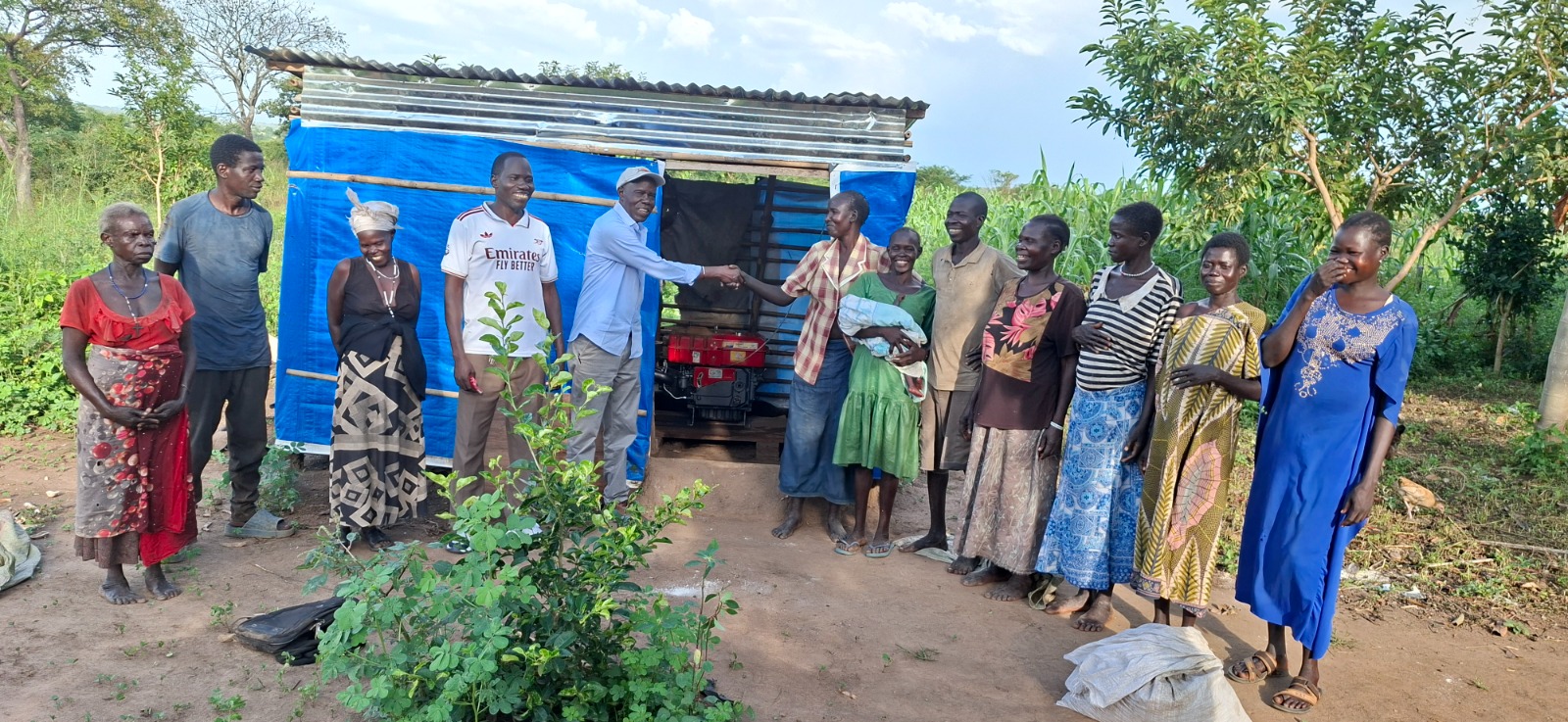
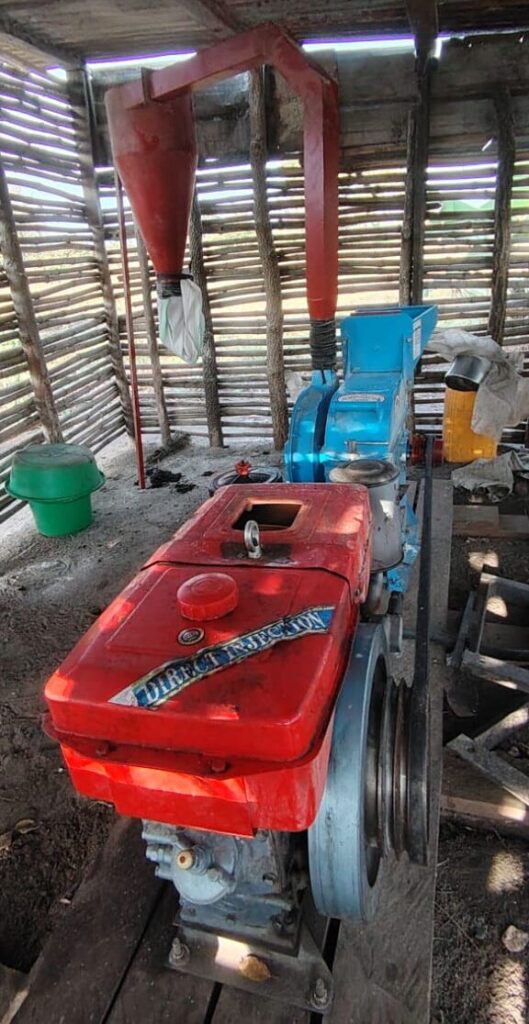
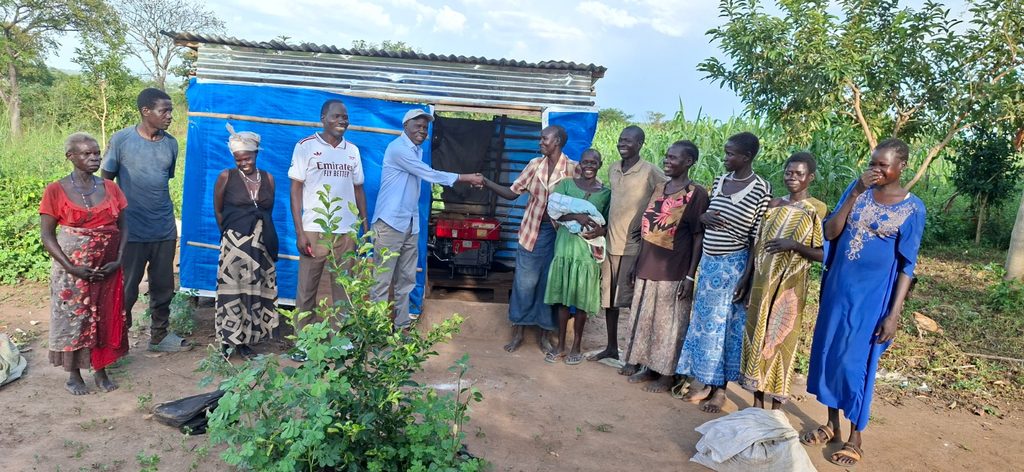
Yei/Magwi, South Sudan — The German development agency GIZ has handed over 12 cereal grinding machines to 12 farmer groups in Yei and Magwi counties to improve agricultural productivity, strengthen household incomes and support food security.
The equipment was handed over on October 20, 2026, through GIZ South Sudan’s Improved Living Conditions and Psychosocial Support (ILiPS) project, which is implemented on behalf of the German Federal Ministry for Economic Cooperation and Development (BMZ).
According to GIZ, each beneficiary farmer group consists of 25 members, with women accounting for 60 percent of the selected membership.
The initiative aims to strengthen small-scale income-generating activities by improving access to cereal-processing equipment, reducing the time and labour required to process grains and creating opportunities for farmers to earn sustainable incomes.
Speaking during the handover ceremony, Ramson Duku, an agricultural adviser, said the machines would help beneficiaries improve their livelihoods and become more self-reliant.
Duku urged the farmer groups to take ownership of the equipment, maintain it properly and ensure it is used sustainably for the benefit of their families and communities.
The beneficiaries welcomed the support, saying the machines would help increase productivity, reduce processing costs and create additional income-generating opportunities.
GIZ said it would provide follow-up support to ensure the equipment is used effectively and sustainably.
The handover forms part of the organisation’s broader efforts to strengthen agricultural extension services and promote climate-smart farming practices among smallholder farmers in the two counties.
The ILiPS project supports returnees, internally displaced persons and host communities in increasing agricultural production and improving food security. It also promotes access to psychosocial support services and raises awareness of psychosocial well-being.
GIZ said its approach combines the provision of agricultural machinery with training and technical assistance to help communities improve their livelihoods and resilience.
Leave a Reply