Author: Eng. Joe M. Aphac

  • South Sudan: EU and Germany-Funded Project to Combat Gender-Based Violence Concludes After Four Years

    South Sudan: EU and Germany-Funded Project to Combat Gender-Based Violence Concludes After Four Years

    JUBA, South Sudan — A four-year project aimed at preventing sexual and gender-based violence (SGBV) and promoting gender equality in South Sudan has concluded, with more than 38,000 people benefiting from its activities.

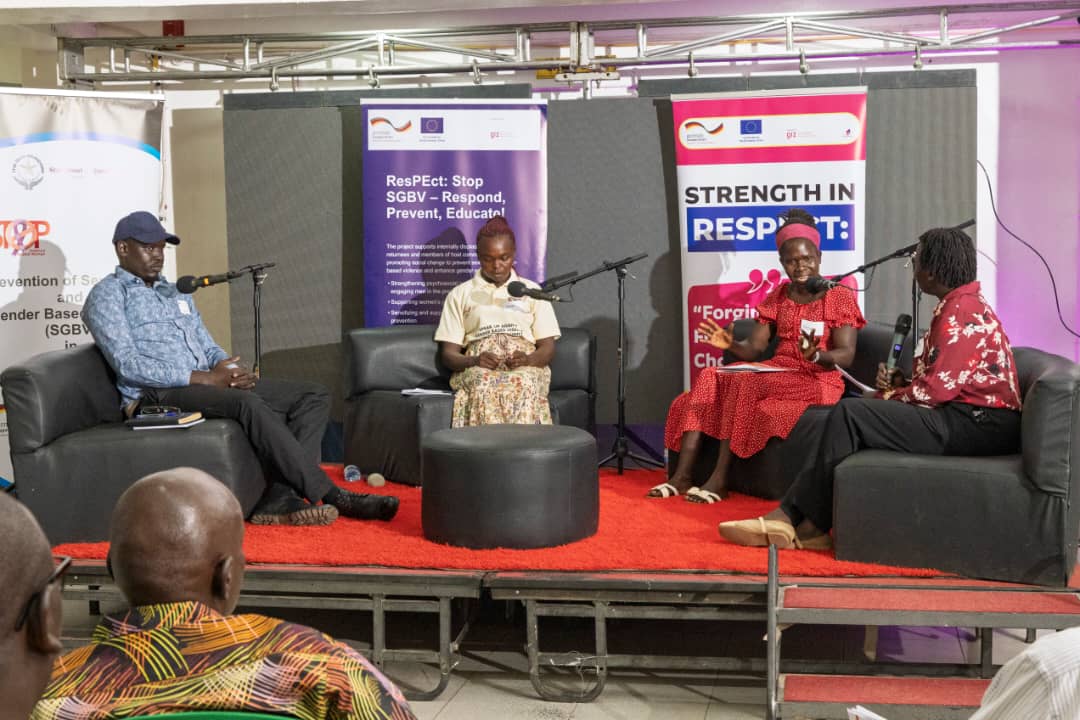
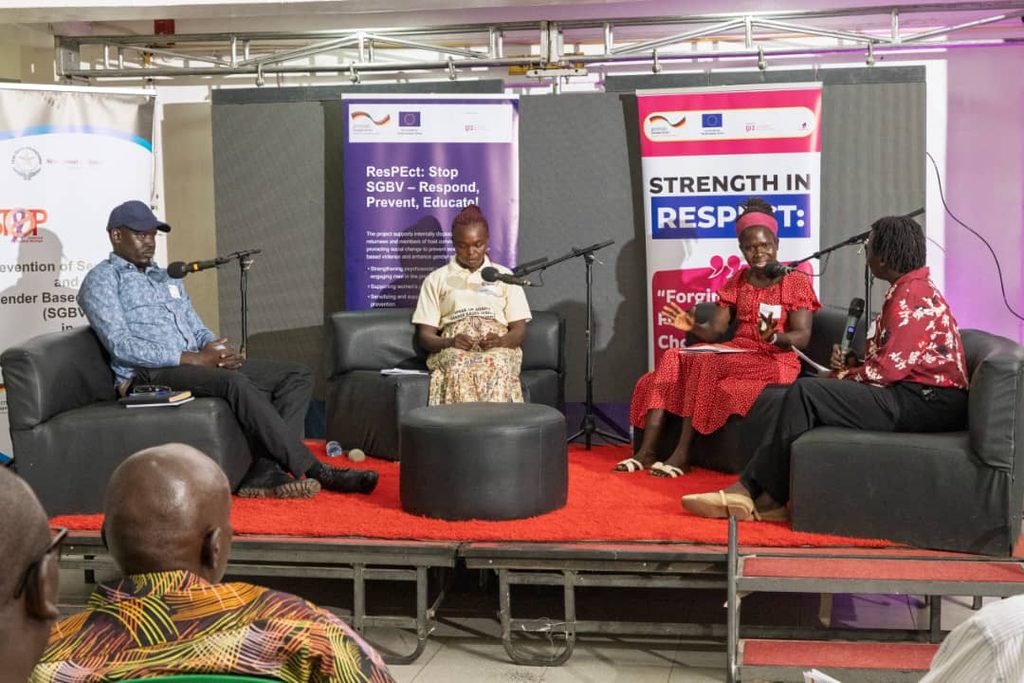
    The multi-donor initiative, known as ResPEct: Stop SGBV – Respond, Prevent, Educate!, officially ended its implementation with a closing event in Juba, bringing together government officials, development partners, women leaders and project beneficiaries to reflect on its achievements.

    The project was co-funded by the European Union (EU) and Germany’s Federal Ministry for Economic Cooperation and Development (BMZ), and implemented by the German development agency, GIZ.

    According to the project organisers, the initiative supported internally displaced people, returnees and host communities in Aweil West, Juba and Yei River counties.

    The programme focused on improving access to medical and psychosocial services for survivors of gender-based violence, promoting social change and strengthening gender equality.

    Through Women and Girl Friendly Spaces and the One-Stop Centre in Yei, more than 12,300 survivors and people affected by sexual and gender-based violence received medical care and psychosocial support.

    The initiative also worked with schools and communities to prevent violence, with a particular emphasis on engaging men and boys in discussions about gender roles and equality.

    Beyond protection services, the project supported women’s groups in establishing small businesses and Village Savings and Loan Associations to strengthen their financial independence and improve their families’ livelihoods.

    It also worked with female journalists to promote conflict- and gender-sensitive reporting and partnered with local non-governmental organisations to produce radio programmes addressing gender-based violence and equality.

    The project further supported women’s organisations and community groups in developing recommendations intended to guide the government, civil society and development partners in addressing violence against women and girls.

    Speaking at the closing event, European Union Ambassador to South Sudan Pelle Enarsson said addressing gender-based violence requires more than providing services to survivors.

    He said prevention efforts must also address harmful social norms, strengthen women’s participation, improve institutional capacity and promote community ownership.

    German Ambassador to South Sudan Sebastian Brökelmann said Germany had invested more than six million US dollars in GIZ’s ResPEct project since 2022.

    He stressed that preventing sexual and gender-based violence is a global responsibility and essential to human dignity, justice and lasting peace.

    The ambassador also emphasised the responsibility of the South Sudanese government to ensure peace and security for its citizens, particularly women and girls.

    Meanwhile, Nunu Diana Alison, Director General at the Central Equatoria State Ministry of Gender, Child and Social Welfare, said the project had benefited communities across several counties, including Juba, Yei and Aweil.

    She noted that lasting gender equality requires not only changes in attitudes but also reforms to the systems and practices that sustain discrimination and limit opportunities for women and girls.

    The closing event featured a gallery walk showcasing project results, a live radio talk show with participants, artistic performances and the unveiling of an art piece.

    Although the four-year initiative has concluded, the statements delivered at the event highlighted the continuing need for government institutions, communities and development partners to sustain efforts to prevent gender-based violence and protect the rights of women and girls in South Sudan.

    ENDS
  • GIZ Reaffirms Commitment to Food Security and Rural Development in South Sudan

    GIZ Reaffirms Commitment to Food Security and Rural Development in South Sudan

    YAMBIO, Western Equatoria State — The German development agency, the Deutsche Gesellschaft für Internationale Zusammenarbeit (GIZ), has reaffirmed its commitment to strengthening food security, improving nutrition and supporting rural livelihoods in South Sudan.

    In a press release issued to mark World Food Day on October 16, 2026, GIZ said it remains committed to promoting sustainable agriculture, improving access to water and building resilience among smallholder farmers and vulnerable households.

    The agency made the commitment during World Food Day celebrations organized jointly by the Western Equatoria State Government, non-governmental organizations and development partners in Yambio.

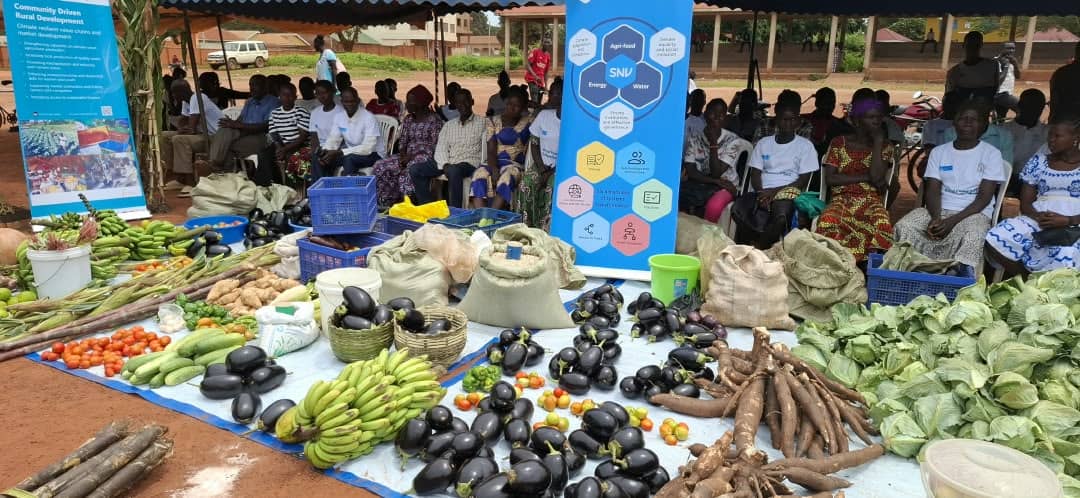
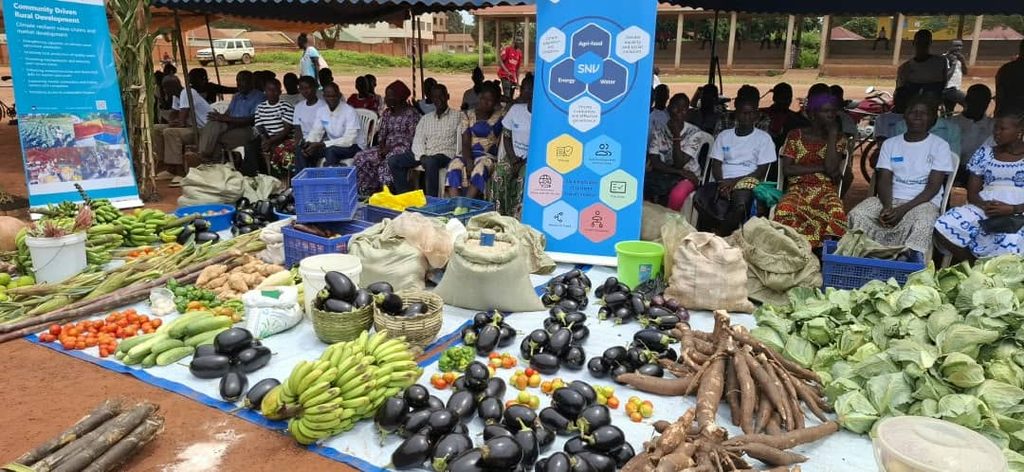
    Farmers supported by GIZ projects exhibited and sold fruit tree seedlings during the event, while exchanging knowledge on planting techniques, tree care and practical approaches to improving agricultural productivity.

    The celebrations were held under the theme “Innovate today. Nourish tomorrow,” featuring dialogue sessions and exhibitions of locally produced crops and agricultural innovations.

    GIZ said agriculture, improved nutrition, sustainable natural resource management and coordinated development efforts remain essential to addressing hunger and food insecurity in the country.

    The agency noted that many South Sudanese households continue to face difficulties accessing adequate food due to recurrent conflict, displacement, climate variability, prolonged dry spells, flooding, limited access to agricultural inputs, weak market linkages and declining natural resources.

    According to GIZ, addressing these challenges requires an integrated approach that strengthens farmers’ productive capacity, improves access to nutritious food, creates income-generating opportunities and protects natural resources.

    Through its Food and Nutrition Security and Management of Natural Resources (FONA) project and the Community Driven Rural Development (CDRD) project, GIZ works with communities, smallholder farmers, local institutions, NGOs and development partners to improve food production, nutrition, livelihoods and rural resilience.

    The FONA project is funded by the German Federal Ministry for Economic Cooperation and Development, while the CDRD project receives funding from the German government, the Embassy of the Kingdom of the Netherlands and the European Union.

    The press release states that approximately 34,500 households, representing up to 310,500 people, benefit from direct interventions under the projects.

    On World Food Day, GIZ called on government institutions, development partners, humanitarian organizations, civil society, the private sector and communities to strengthen collective efforts to ensure every household has access to sufficient, safe and nutritious food.

    The agency also emphasized the importance of sustained investment in agriculture, local food systems, rural infrastructure and community resilience to improve long-term food availability and strengthen household livelihoods.

    GIZ reiterated its commitment to working with local authorities, communities and development partners to increase agricultural production, improve nutrition, protect natural resources and create sustainable livelihood opportunities.

    World Food Day is observed globally on October 16 to raise awareness of hunger, food security and the importance of ensuring access to adequate and nutritious food for all.

  • Anglican Church of South Sudan and Sudan Welcomes New Primate Abednego Lueth Dongrin as Abraham Mayom Athian Deng Steps Down By John Wulu Deng Juba, South Sudan

    Anglican Church of South Sudan and Sudan Welcomes New Primate Abednego Lueth Dongrin as Abraham Mayom Athian Deng Steps Down By John Wulu Deng Juba, South Sudan

    The Anglican Church of South Sudan and Sudan has entered a new chapter of leadership following the retirement of Archbishop Abraham Mayom Athian Deng as Primate, paving the way for the newly elected Primate, Archbishop Abednego Lueth Dongrin, to lead the church.
    The leadership transition marks an important moment for the Anglican Church, which has an extensive presence across South Sudan and Sudan, comprising 52 dioceses, six provinces, and 48 bishops, according to information provided by the church.
    Archbishop Abraham Mayom Athian Deng, who has stepped down from the position of Primate, leaves behind a leadership legacy that will be assessed by the church and its members. His retirement provides an opportunity for the Anglican community to reflect on his service, contributions, and the challenges encountered during his tenure.
    The newly elected Primate, Archbishop Abednego Lueth Dongrin, assumes leadership of a church with a significant religious and social presence in the two countries.
    As the new Primate takes office, church members and observers will look to his leadership to strengthen unity among dioceses and provinces, promote peace and reconciliation, and advance the church’s spiritual mission.
    The Anglican Church has played an important role in South Sudan and Sudan through religious activities, education, community engagement, and peacebuilding initiatives.
    With 52 dioceses and six provinces, the new Primate will be expected to work closely with bishops, clergy, church leaders, and congregations to address the spiritual and administrative needs of the church.
    The transition also presents an opportunity to strengthen cooperation among church institutions and reinforce the Anglican Church’s contribution to peace, reconciliation, and social development in both countries.
    Archbishop Abednego Lueth Dongrin’s leadership will be closely watched as the church continues its mission of serving communities across South Sudan and Sudan.
    Meanwhile, Archbishop Abraham Mayom Athian Deng’s retirement marks the end of his tenure as Primate and the beginning of a new phase in the church’s leadership.
    The transition is expected to usher in a new period of leadership, continuity, and renewed commitment to the Anglican Church’s mission across South Sudan and Sudan.
    Suggested photo caption
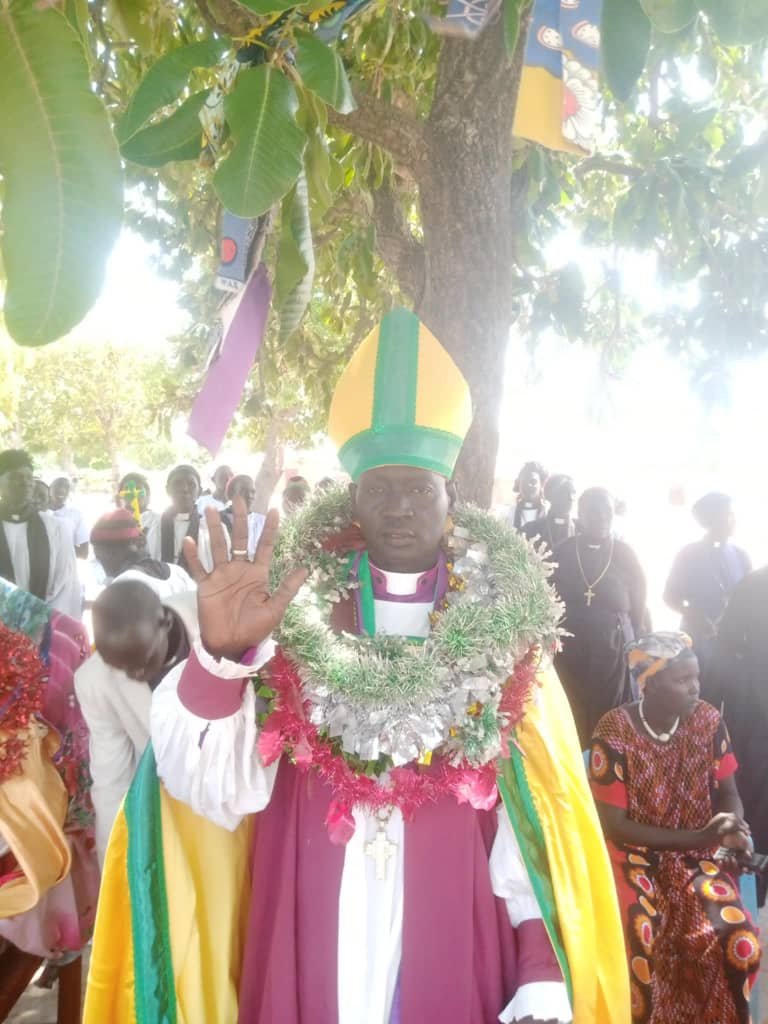
    Archbishop Abednego Lueth Dongrin, the newly elected Primate of the Anglican Church of South Sudan and Sudan, pictured during a church gathering.
    Editorial note: Before publication, please confirm the official date of the leadership transition, the retirement details of Archbishop Abraham Mayom Athian Deng, and the spelling of the new Primate’s name and title. The figures of 52 dioceses, six provinces, and 48 bishops are based on the information you provided.

  • GIZ HANDS OVER GARAGE EQUIPMENT TO YEI CROP TRAINING CENTRE TO RESTORE TRACTOR SERVICES

    GIZ HANDS OVER GARAGE EQUIPMENT TO YEI CROP TRAINING CENTRE TO RESTORE TRACTOR SERVICES

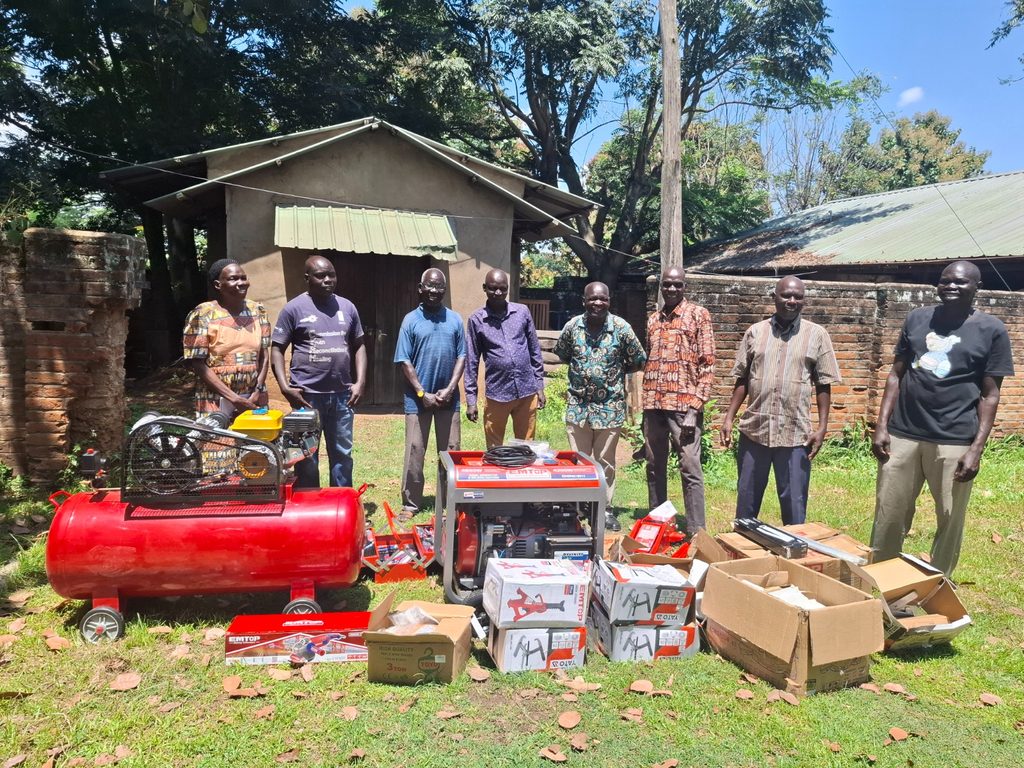
    YEI, CENTRAL EQUATORIA — October 8, 2026: The Deutsche Gesellschaft für Internationale Zusammenarbeit, GIZ, has handed over essential garage tools and maintenance equipment to the Yei Crop Training Centre, CTC, to help restore tractor services for farmers in Yei River County.

    The support is being provided under the Community-Driven Rural Development, CDRD, project, with the aim of improving land cultivation and food production ahead of the upcoming planting seasons.

    The equipment includes an air compressor, mobile diesel welding generator, specialized mechanical toolboxes and personal protective equipment.

    GIZ says the tools will enable the CTC garage to carry out faster servicing and field repairs for eight tractors operating across Yei County.

    The intervention comes after years of conflict and inadequate maintenance facilities left many tractors in Yei out of service, resulting in delays for farmers preparing their land for cultivation.

    Speaking during the handover, Yei CTC Administrator David Amule welcomed the support, saying restoring the tractors is important for farmers to expand their cultivated areas and improve agricultural production.

    Meanwhile, the Director of Agriculture at the County Agriculture Department, Isaac Asiki, called for the equipment to be put into immediate use and urged proper care and sustainable management of the tools.

    According to GIZ, repairing and returning the tractors to service is expected to benefit at least three-thousand farmers and help bring more than ten-thousand hectares of land into cultivation.

    The project says increased land cultivation could contribute to larger harvests, stronger resilience to climate shocks, increased agricultural income and improved livelihoods for farming households.

    The CDRD project will also provide training for tractor operators and farmers on the use of agricultural machinery for ploughing, harrowing and sowing.

    The project is implemented by GIZ on behalf of the German Federal Ministry for Economic Cooperation and Development and is co-funded by the European Union and the Embassy of the Kingdom of the Netherlands.

  • SOUTH SUDAN ELECTORAL PREPAREDNESS REQUIRES URGENT ACTION – CIVIL SOCIETY

    Civil society organizations are calling for urgent and coordinated action to address outstanding challenges ahead of South Sudan’s scheduled elections on December 22, 2026.

    The call was made by the South Sudanese Network for Democracy and Elections, SSuNDE, and the East and Horn of Africa Election Observation Network, E-HORN, following the 2026 South Sudan Country Forum held in Juba from September 23 to 24.

    The forum, held under the theme “Ready or Not: Assessing South Sudan’s Preparedness for the 22 December 2026 Elections,” brought together electoral institutions, civil society organizations, women and youth representatives, persons with disabilities, media organizations, political and community stakeholders, and regional and international partners.

    The organizations say key challenges remain in electoral institutions, the legal and constitutional framework, voter registration, electoral logistics, security, civic and political space, inclusive participation, access to reliable information and electoral dispute resolution.

    SSuNDE Chairman James Okony Dau says the remaining time before the elections requires urgent, coordinated and measurable action from all institutions and stakeholders.

    He says election credibility depends not only on polling day, but also on the preparedness of electoral institutions, an enabling civic and political environment, inclusive participation, reliable information, security and accessible mechanisms for resolving electoral complaints and disputes.

    Meanwhile, the President of the Standard Action Liaison Force, SALF, Lony Ruot, says electoral preparedness should be treated as an institutional and systemic responsibility.

    According to the SALF assessment cited in the statement, preparedness was estimated at about 35 percent for the National Elections Commission, 20 percent for the security sector and 15 percent for the judiciary and electoral dispute-resolution mechanisms, against a 50 percent minimum preparedness benchmark.

    The statement clarifies that these figures are findings of SALF’s assessment and are not official performance ratings of the institutions.

    The East and Horn of Africa Election Observation Network is also calling for greater inclusion in the electoral process, particularly for women, youth, persons with disabilities, displaced people, returnees and other underserved communities.

    E-HORN further warns that misinformation, disinformation and weak data-protection safeguards could undermine public confidence in the electoral process.

    The organization is calling for strengthened civic and voter education, accurate and accessible electoral information, responsible media reporting and an environment that allows peaceful civic and political participation.

    The Country Forum identified several areas requiring immediate attention, including voter registration, electoral logistics, voter education, legal and constitutional clarity, civic and political freedoms, election security, inclusive participation, access to information, data protection and electoral dispute resolution.

    SSuNDE and E-HORN are also calling on the National Elections Commission to demonstrate its independence and impartiality, publish and regularly update a comprehensive electoral timetable, strengthen consultation with stakeholders and establish accessible mechanisms for handling electoral complaints and disputes.

    The two organizations are urging national, regional and international partners to provide technical assistance, capacity building, electoral observation support and other forms of cooperation to strengthen the electoral process.

    They say a credible election depends on the entire electoral environment, rather than polling day alone, and have called for sustained cooperation to ensure a peaceful, inclusive, transparent, lawful and credible electoral process.

  • NEUSS Challenges Labour Ministry Circular No. 5 of 2026 in Court of Appeal

    JUBA, September 23, 2026 — The National Employees Union of South Sudan (NEUSS) has filed a rejoinder application at the Court of Appeal challenging the Ministry of Labour’s Circular No. 5 of 2026.
    In a press statement dated September 22, NEUSS said the application seeks to join an ongoing legal challenge initiated by the Joint Oil Companies Unions concerning the legality and implementation of the circular and the National Social Insurance Fund Act, 2023.
    The union says it previously attempted to resolve the matter through dialogue with the Ministry of Labour, including calls for the cancellation or review of the circular.
    According to NEUSS, those efforts did not produce a meaningful response, while new operational instructions were allegedly issued to enforce the circular without addressing concerns raised by workers’ representatives.
    NEUSS says its legal team has been mandated to represent national staff working with NGOs, international organizations, companies, diplomatic missions and other private-sector entities across South Sudan.
    The union is asking the Court of Appeal to examine Circular No. 5 of 2026 in accordance with the National Social Insurance Fund Act and other applicable laws.
    It is also asking the court, where legally appropriate, to nullify Circular No. 5 of 2026 and reinstate Circular No. 3 of 2010.
    NEUSS has called on workers in the private sector to remain calm and refrain from actions that could escalate tensions while the court considers the matter.
    The union says its legal challenge is not opposed to establishing a national social insurance system, but is instead calling for due process, transparency and protection of workers’ rights in implementing the system.
    The statement was signed by Chol Mading, Secretary for Communications and Public Relations of the National Employees Union of South Sudan.

  • Nyamlel Women’s Centre Inaugurated in Aweil West.

    Nyamlel Women’s Centre Inaugurated in Aweil West.

    By John Wulu Deng

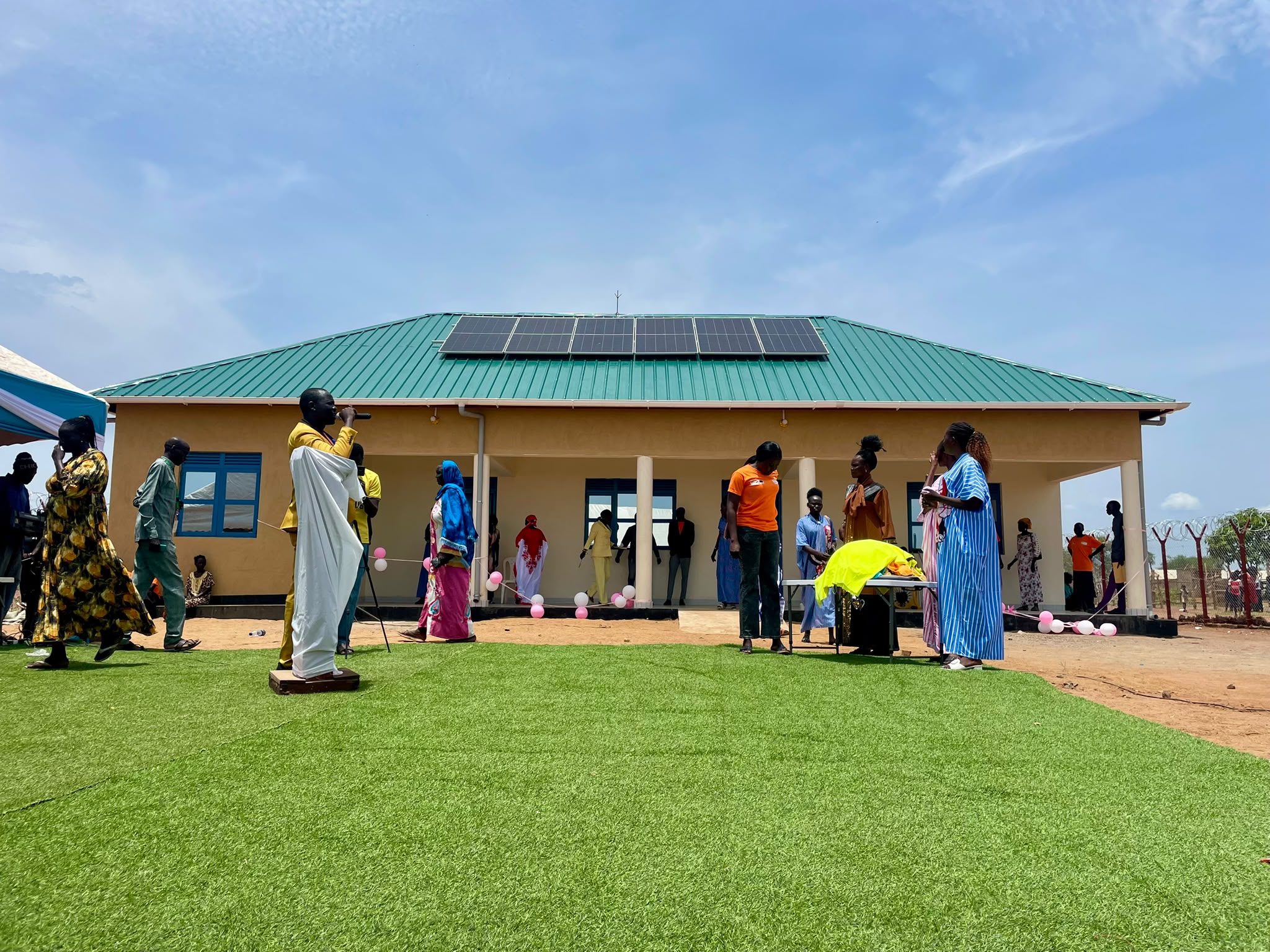
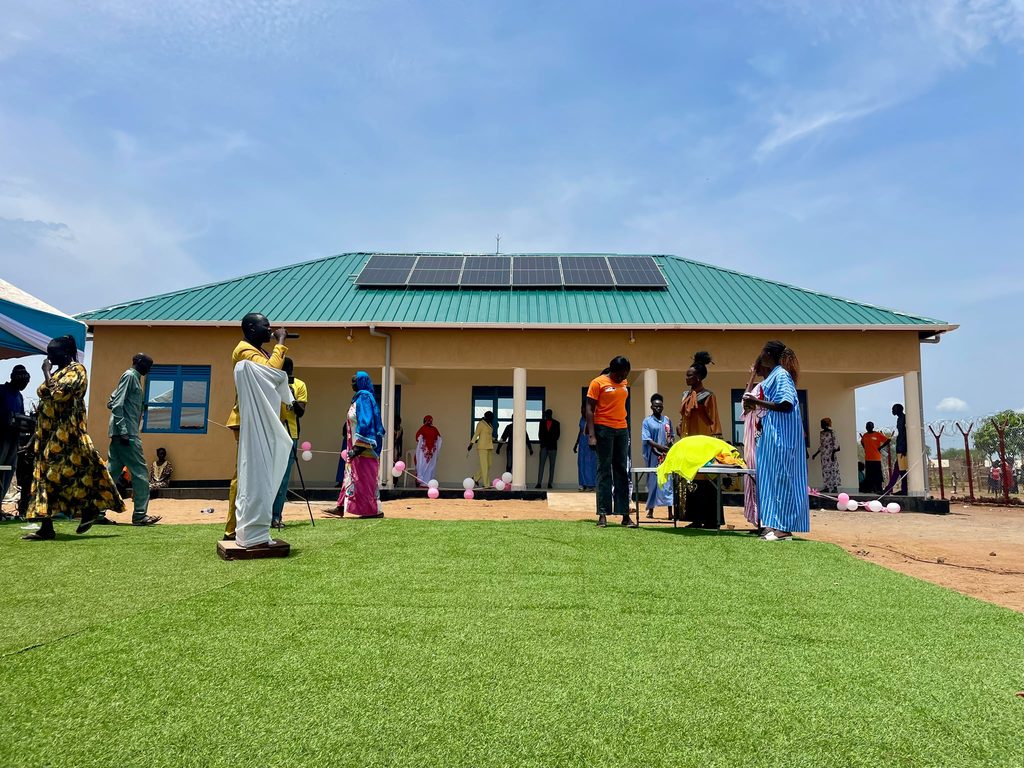
    A newly constructed women’s center has been inaugurated in Nyamlel, Aweil West County, with the aim of expanding opportunities for women through skills development, livelihood support and empowerment.

    The Nyamlel Women’s Center was officially inaugurated on September 9 by German Deputy Head of Mission to South Sudan, Nicole A. Hofmann, and Alice Oleya Jino, Programme Manager at the European Union Delegation to South Sudan.

    The center was co-funded by the European Union and the German Federal Ministry for Economic Cooperation and Development through the ResPEct project, implemented by the Deutsche Gesellschaft für Internationale Zusammenarbeit, GIZ.

    The facility has three rooms designed to support training and empowerment activities in a safe and inclusive environment.

    GIZ says women in Aweil West will use the center for skills development, entrepreneurship, livelihood activities, networking and community engagement.

    Since September 2025, four hundred and eighty women have participated in training activities under the ResPEct project, while three hundred stakeholders and four hundred and twenty young people have benefited indirectly.

    The training has included business and financial management, leadership and people management, as well as gender-based violence prevention.

    The center has now been officially handed over to the Women’s Association of Aweil West.

    GIZ Field Technical Advisor Kenyi Mark Peter Luba says the training conducted during the construction period has laid a foundation for sustainable livelihoods and empowerment, allowing women to put their skills into practice and strengthen their economic activities.

    The ResPEct project, which stands for Stop SGBV — Respond, Prevent, Educate, is a three-year initiative with a budget of 8.260 million euros.

    The project focuses on strengthening counselling services, supporting women’s groups, engaging men in discussions on gender roles, and raising awareness on the prevention of sexualised and gender-based violence in communities and schools.

  • EU, Germany Hand Over Rehabilitated Sports Playground to Terekeka Community

    EU, Germany Hand Over Rehabilitated Sports Playground to Terekeka Community

    TEREKEKA, CENTRAL EQUATORIA — The European Union and Germany, through the Deutsche Gesellschaft für Internationale Zusammenarbeit (GIZ), have officially handed over a rehabilitated community sports playground to the people and County Government of Terekeka.

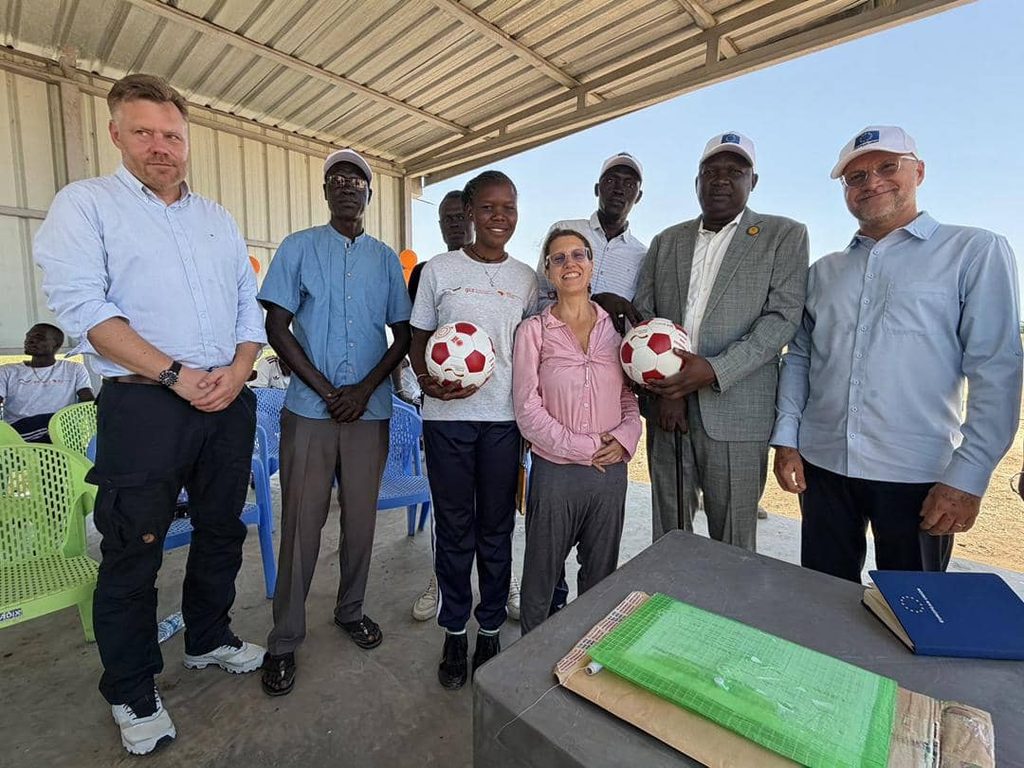
    The handover took place on Thursday, August 27, 2026, during a visit by EU Ambassador to South Sudan Pelle Enarsson and Germany’s Deputy Head of Mission, Nicole Hoffmann, together with GIZ representatives.

    The delegation met with Terekeka County Commissioner, Hon. Dr. Emmanuel Loku, County officials and members of the local community. Discussions focused on cooperation with the county administration and ongoing Sport for Development activities aimed at giving young people opportunities to develop skills and contribute to peaceful and inclusive communities.

    The rehabilitation was jointly co-funded by the European Union and the German Federal Ministry for Economic Cooperation and Development, BMZ.

    The upgraded facility includes a levelled football pitch, two goalposts, two shaded areas and a three-stance ventilated improved pit latrine. Sports equipment has also been provided to trained local coaches to support regular sporting activities.

    Terekeka County Commissioner Dr. Emmanuel Loku described the facility as the best playground in Terekeka, saying football can play an important role in promoting peace and unity.

    He said the community wants to move from being known mainly as a cattle community to becoming a football community, with the aim of raising the standard of young people through sport.

    Germany’s Deputy Head of Mission, Nicole Hoffmann, said football can bring communities together because it promotes teamwork, rules and organizational skills that prepare young people for society and life.

    EU Ambassador Pelle Enarsson said the playground represents more than a piece of land, describing the local coaches and community members as champions of inclusive sport and peace.

    Under the Sport for Development approach, the facility will provide a safe and inclusive space for girls, boys and young people from different parts of the community. Activities will promote peaceful coexistence, gender equality, inclusion, leadership and safeguarding.

    The project is part of the Strengthening Local Governance and Peaceful Coexistence in South Sudan — LoGo initiative, jointly co-funded by the European Union with five million euros and BMZ with six million euros, and implemented by GIZ in partnership with the South Sudanese Local Government Board.

    The rehabilitated playground will remain under community ownership and is expected to provide a sustainable space for sport, interaction, youth participation and dialogue between communities and local authorities.

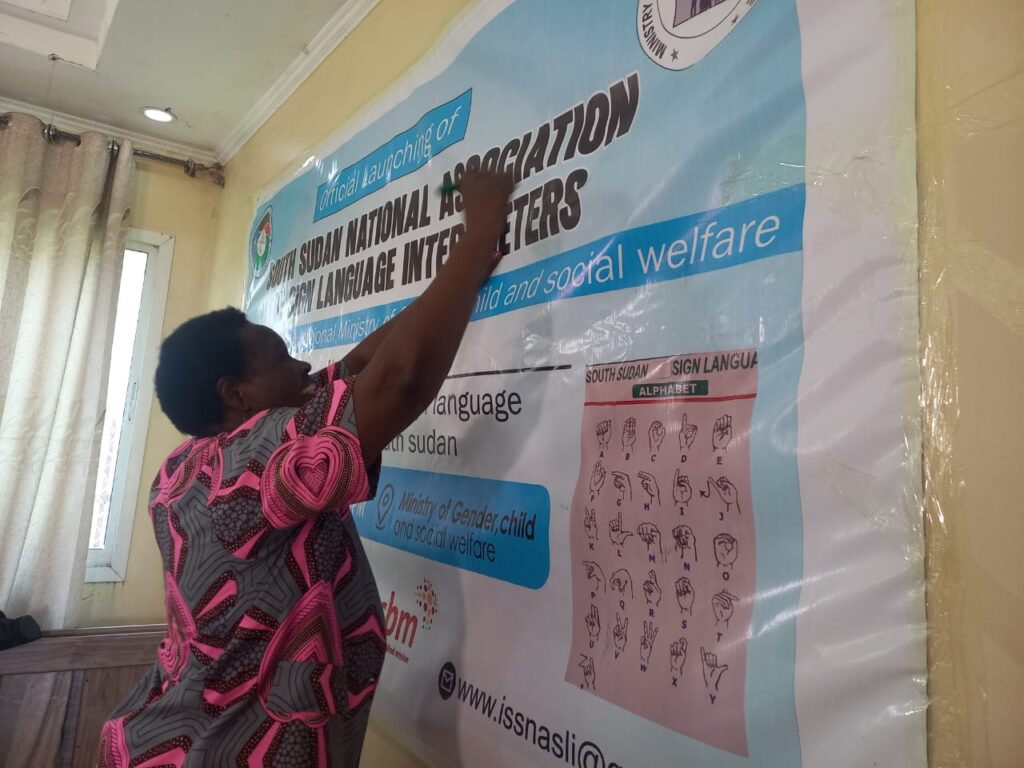
  • South Sudan National Association of Sign Language Interpreters (SSNASLI) Launched to Break Communication Barriers for Deaf Community in South Sudan

    South Sudan National Association of Sign Language Interpreters (SSNASLI) Launched to Break Communication Barriers for Deaf Community in South Sudan

     National Association of Sign Language Interpreters launched to advancing inclusion, accessibility, and equal communication for the Deaf community across the country.

    By Adia Jildo

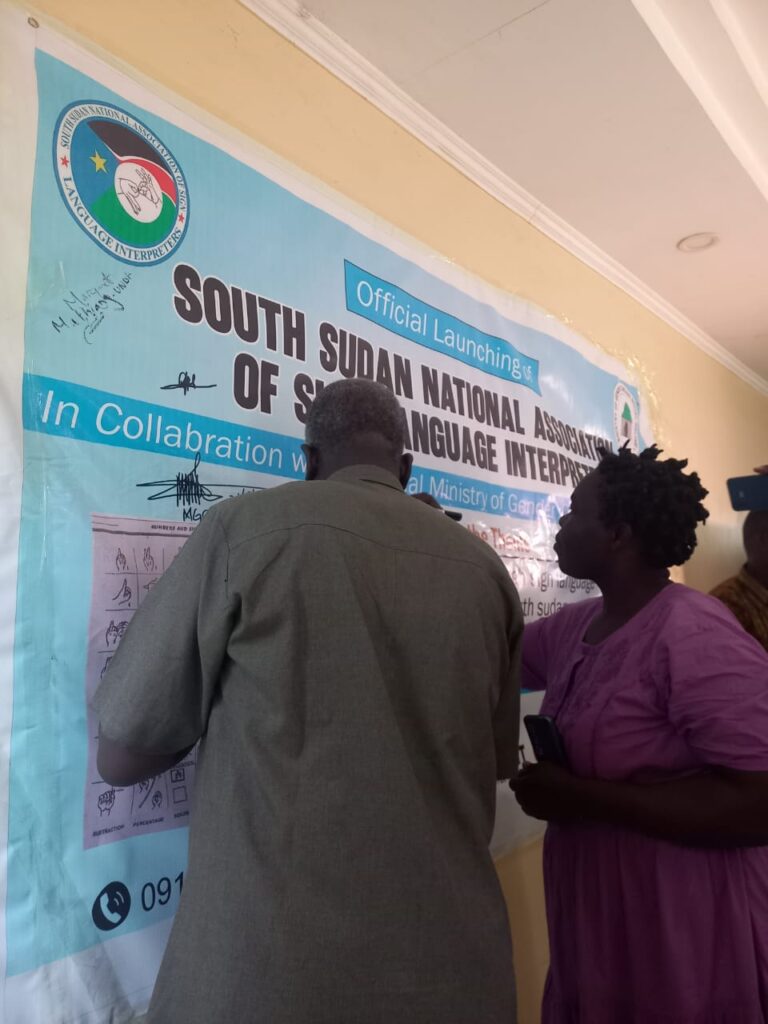
    First South Sudan National Association of Sign Language Interpreters (SSNASLI) launched with the aim at advancing inclusion, accessibility, and equal communication for the Deaf community across the country.

    The launch event brought together government officials, representatives from the Deaf community, development partners, civil society organizations, and members of the media under the theme: “Breaking Communication Barriers: Promoting Inclusion Through Sign Language Interpretation in South Sudan.”

    The Chairperson of South Sudan Launches National Association of Sign Language Interpreters (SSNASLI) Sebit Juliano Lado said the association will enable and promote professional standards in sign language interpretation, provide training and certification for interpreters, and advocate for the integration of sign language services in public and private institutions nationwide.

    “This is the beginning of a movement for inclusion, dignity, and equal communication for all,” said Sebit Juliano Lado. “Communication is a fundamental human right, and no one should be left behind.”

    “There is urgent need to address communication barriers faced by deaf individuals in accessing essential services such as education, healthcare, justice, and employment,” he said.

     The Chairperson of South Sudan Launches National Association of Sign Language Interpreters (SSNASLI) Sebit Juliano Lado calls upon the Government of South Sudan, donors, NGOs, and the private sector to support the association to fulfil its mission and collaborate in building an inclusive society where all citizens can fully participate.

    South Sudan National Union of the Deaf of Hearing Impairment Peter Kachinga said the interpreter association will help interpreters advocate for those with hearing impairment hence bringing hope for improved communication access and recognition of their rights.

    “There is a lack of sign language interpreters. Access to information becomes a bigger gap, even for these children learning in schools. To implement the inclusion, we need to bring the society together where the language will be known,” he said.

    “We have the right to participate and give opinions.

    Magret Mathiang, representative of NGO from UNDP, stated that the sign language interpreters link those living with disability with partners to enable understanding of the circumstances.

    “Our sign language is not fully-fledged. The association should not be left behind,” she stated, emphasizing the need for partners’ commitment to support persons living with disability,” she urged highlighting the critical role interpreter’s play in bridging communication gaps.

    Director of persons living with disability in South Sudan Emmanuel Lubari persons with earing impairment have been left behind, mainly due to few or no professional interpreters.

    “We only have one school for interpreters. Not accessing health, education, justice, and more services,” urging people to join the association to enable exclusive access to information.

    “This body that we are launching today should plan, train, educate the association and its activities,” said Lubari.

    The director General for Social Welfare at the Ministry of Gender Child and Social Welfare, Regina Ossa Lullo said the association will work to promote the welfare of persons with easing impairment, the profession development, collaboration with government, and awareness about inclusive development in South Sudan

    The government said it’s planning to establish the unit for persons living with disability for inclusion purposes.

    “We need to increase the numbers of translators so that those that need services can get without being excluded,” she stated, citing the challenges faced by persons with disabilities face when accessing health care.

    She called on the partners to collaborate with the government to support persons living with disability, support rehabilitation center to protect the vulnerable people.

    “We as a government are working towards social inclusion and justice,” she said.

    The ministry reaffirmed its commitment to work closely with development partners, and civil society organizations to ensure that deaf individuals have equal access to information and services.

    The Ministry of Gender under the directorate of Social Welfare also launched the models for training for sign language interpreters and the Constitution for sign language interpreters of South Sudan.

    The initiative was organised by persons with disability in collaboration with the national ministry Gender, Child, and Social Welfare under the them “Promoting Inclusion through signs language interpreters South Sudan.

    The association will work closely with government ministries, development partners, and civil society organizations to ensure that deaf individuals have equal access to information and services.

  • Pregnant Women Walk Miles for Care as Khor Malang Faces Health Service Shortages.

    Pregnant Women Walk Miles for Care as Khor Malang Faces Health Service Shortages.

    7 months pregnant Christina Simon recently went to Wau PHCC to do a check. This is when the mobile clinic stationed at Khor Malang to help construction workers access health services advised her to seek medical attention in Wau where there are midwives.

    The journey to Wau was more turing than the sickness she said.

    Khor Malang is a 10-minute drive away from Wau town and at least 40 minutes walk.

    “There is a facility here. There is no antenatal care unit for women. I had to take a card from here and travel to Wau to get the services. No midwife or a traditional birth attendant to attend to us. If I go in labor anytime, I will have to walk or foot there because of the distance,” she said. This is Christina’s

    “There is hardly any medicine in the clinic. The population has increased with recent relocation. What we do is travel out this permanent settlement, said Fahtásio Arun Abdallah.

    Joseph Thomas, a father of 6, stated that the absence of medicine in the facility leaves many vulnerable.

    “Sometimes when there is no doctor, no medicine, we are forced to look for other medicines. Our fear is that we might lose our children. there is no clinic here that if we have money, we can buy from,” Joseph Thomas.

    Mariano Albino said, “There are times one will get a doctor, and you will be told there is no medicine. My resolution is to head back home and find a local remedy for this medicine so that I can cure my children.

    At Khor Malang, the in charge of the Khor Malang mobile clinic Charles John stated that the presence of the mobile clinic has enabled OPD and now integrated WPI.

     “We started as a mobile clinic to help the workers and now the community,” he said, adding, “Other services are lacking. These structures were for workers’ emergencies, but in the middle, there was a need for the community. Out Patient Department consultation, EPI, and now remaining RH and Malnutrition facility,” The facility was supported by IOM, but by first of April, the government run the facility.

    Before, there were no workers and people here, but now, with the resettlement, there is a need for reproductive health services here,” he said.

    Since April, the government has been handed over the health facility to support the over 2,000 population for former displaced persons who were displaced due to insecurity and the host communities of Khor-Malang.

    While core housing and safety infrastructure are active, local authorities and UN partners are continuously expanding to add schools and broader livelihood.

    The director for basic education stated that the absence of school structures has made many learners unable to continue attending schools.

    “There are no classes. When it rains, no one can attend a lesson, and not even a teacher can teach. We have over 10 teachers, over 300 primary school pupils currently, but only learn under trees. 

    The Khor Malang Permanent Settlement is a major durable-solutions housing initiative near Wau in Western Bahr el Ghazal State, South Sudan.

    The government-led initiative was built by the International Organization for Migration (IOM) and funded by Norway, with the aim to close the overcrowded Naivasha displacement camp and provides displaced families with secure land, concrete homes, and basic services.

    The $5 million initiative features durable, locally built concrete houses for over 1,000 households, provision of basic services such access to clean water systems, sanitation (latrines), health facilities, and a police station, Livelihood & Integration for both displaced individuals and host communities share the land, receiving land rights and support to engage in activities like urban farming.