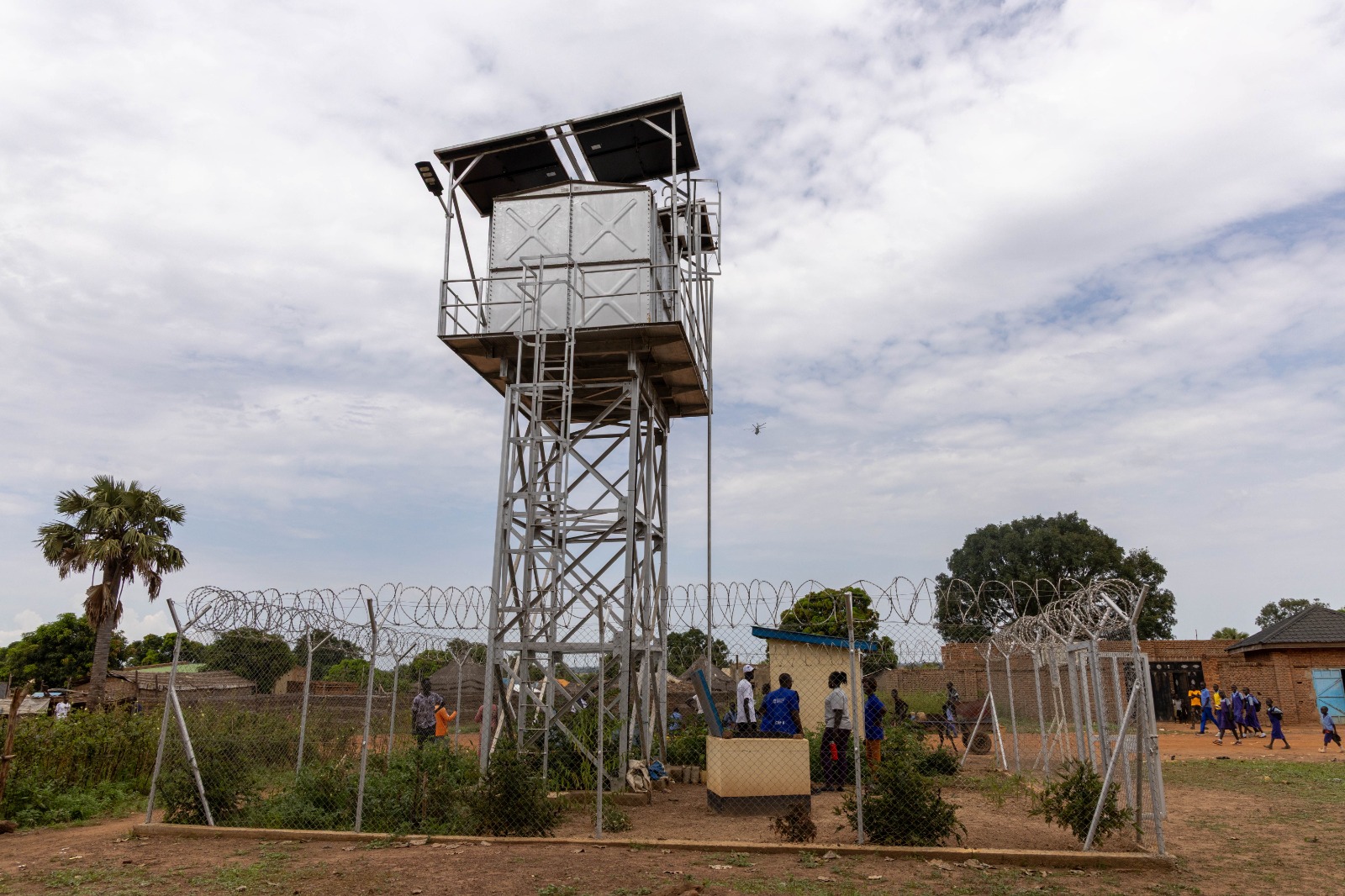
In Wau Town, life has changed in ways residents once thought impossible. Where families used to walk long distances, pay high prices, or queue for unsafe water, clean, affordable water now reaches 2,997 households, including 200 Sudanese refugee families, every single day. The Hai Jadid Water Yard has become a source of stability, dignity, and new opportunities.
Before the project, water scarcity shaped everything. Women woke before sunrise to search for water. People with special needs struggled the most. Fights sometimes broke out at crowded water points. Many families bought unsafe water at high prices, risking illness and financial strain.
“This area is different now. There is water for all of us at an affordable price,” says resident Ajor Kot. “There are no more fights at water points because everyone can access water.”
The transformation is sustained by the Operation and Maintenance (O&M) Committee, formed and trained under the Enhancing Community Resilience and Local Governance Project Phase II (ECRP II).
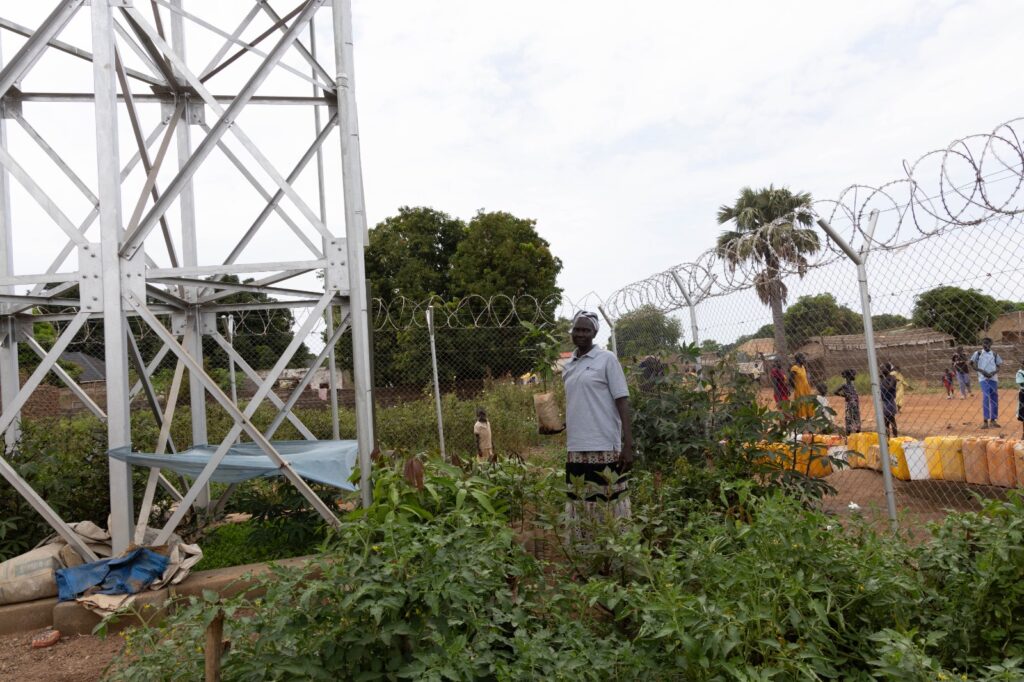
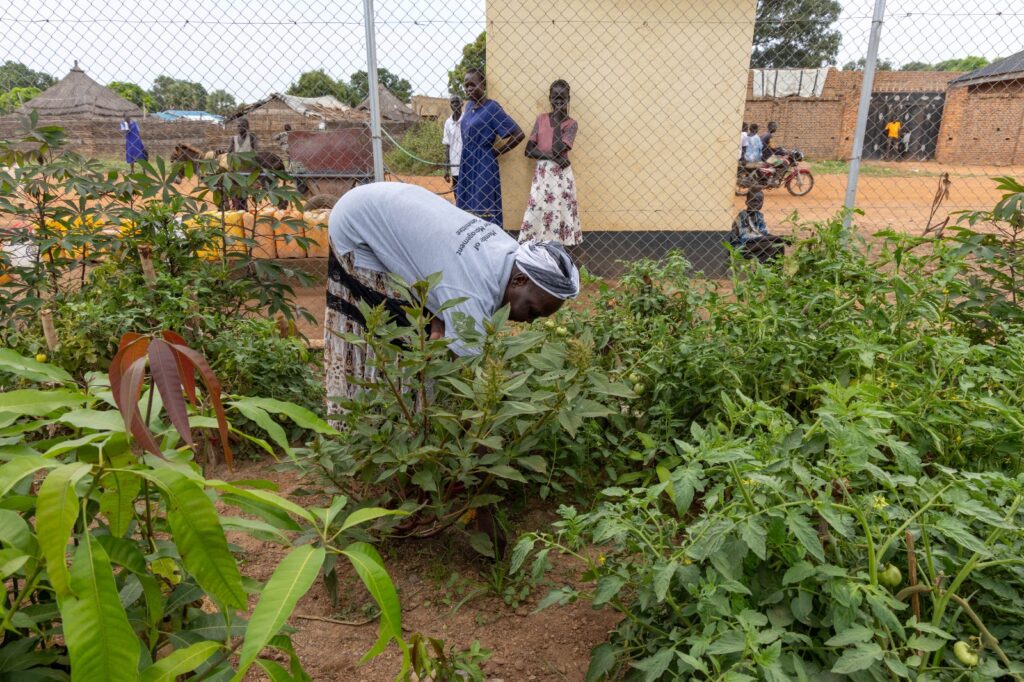
The committee keeps the water yard functioning, manages user fees, and ensures repairs. With reliable access to water, they have also created a community garden, irrigated directly from the facility. The garden now generates income for committee members and brings neighbours together through shared work and shared harvests.
Local businesses are benefiting too. “I am relieved now,” says restaurant owner Along Yin Kuany. “Before, we used to buy water and still boil it before giving it to customers. Now, clean water is easily available.”
Equipped with a 40,000‑liter tank, the water yard has replaced unsafe sources with a reliable, community‑run service. For leaders like Mayang Mawien, Secretary of the Payam Development Committee, the impact is clear:
“The water yard was established to serve host communities, returnees, and refugees living in Hai Jadid. It has made clean water cheaper and more accessible for everyone.”
Today, the Hai Jadid Water Yard is more than infrastructure. It is a symbol of restored dignity, a source of livelihoods, and a model of community-led service delivery, one that, through ECRP II, implemented by the Government of South Sudan in partnership with IOM, has become a lifeline for the entire community.
Leave a Reply